Software Takes the Shape of Its Container
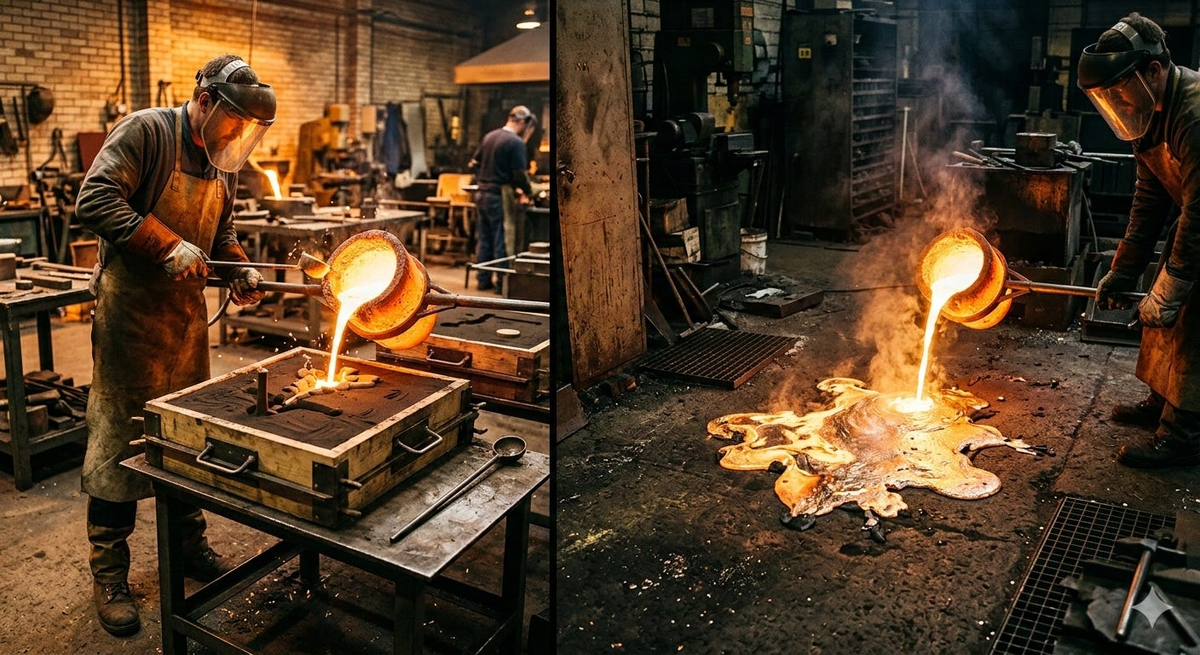
Watch a blacksmith pour molten bronze into a sand mold. The metal has no opinion about what shape it would take. It doesn’t decide to become a fitting. The mold decides. The metal fills whatever container it is given and holds that shape permanently. Remove the mold, and you have a precision component. Pour the same metal on the workshop floor, and you have an accidentally shaped blob that’s expensive to clean up and useful for nothing.
Software works the same way. Code does not decide its own shape. The pipeline, the teamwork, and the organizational structure are the mold. They determine whether you get a precision component or a blob on the floor. And like cast metal, software does not readily change its shape after forming without significant effort. Whatever shape it hardens into is the shape you’re going to live with, maintain, and operate for years.
Most conversations about software quality focus on the metal: better languages, smarter developers, more thorough reviews. They miss the point. The metal is not the problem. The mold is the problem.
The Pipeline Is Feature Zero
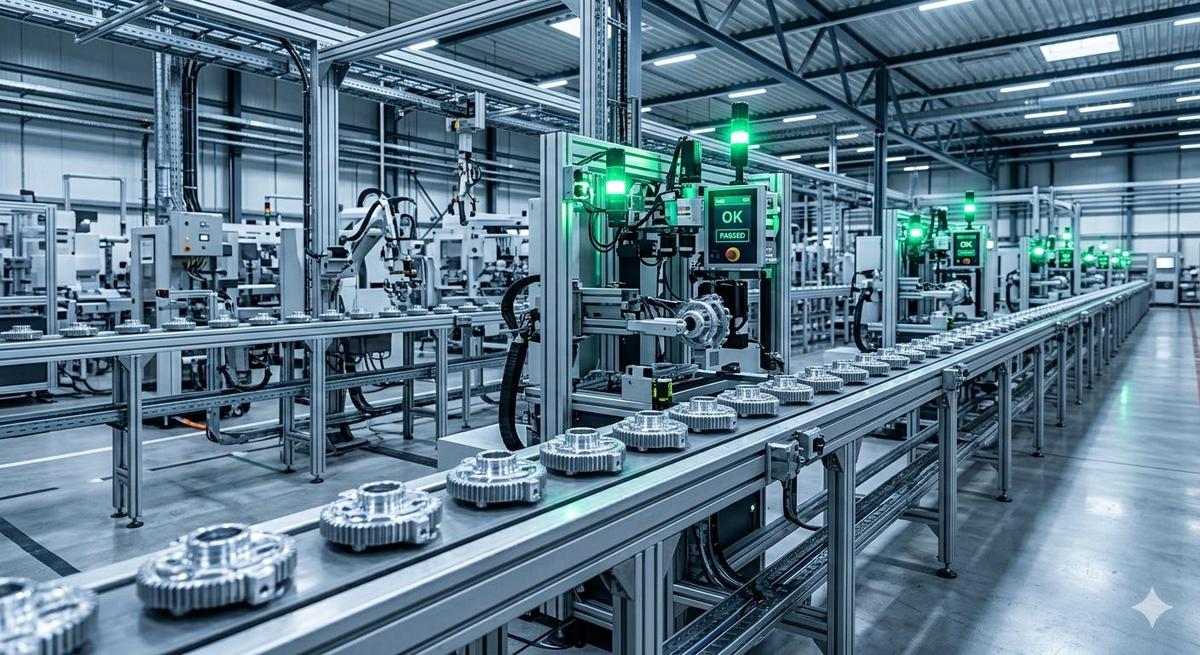
Of all the forces that shape your software, the delivery pipeline lives closest to the code. Every commit passes through it. Every change is either accepted or rejected by it. The pipeline has more direct influence on the shape of your application than any architect, any review board, or any set of coding standards.
If your pipeline requires tests before code merges, developers write tests. If it doesn’t, they don’t. If your pipeline enforces security scanning on every commit, security becomes part of the development process. If security is a quarterly audit, it becomes a quarterly panic. If your pipeline can deploy a single change to production in minutes, developers make small changes. If deployment is a manual, weekend-long event, developers batch everything together and hope.
The pipeline is the mold closest to the metal. It shapes behavior daily, automatically, without meetings or memos. That is why it is feature zero. Not because it is the most important feature to the customer. Because it is the feature that determines the quality of every other feature. A team without a reliable pipeline is pouring metal on the ground and then arguing about why the shape is wrong.
Teamwork Is the Next Mold
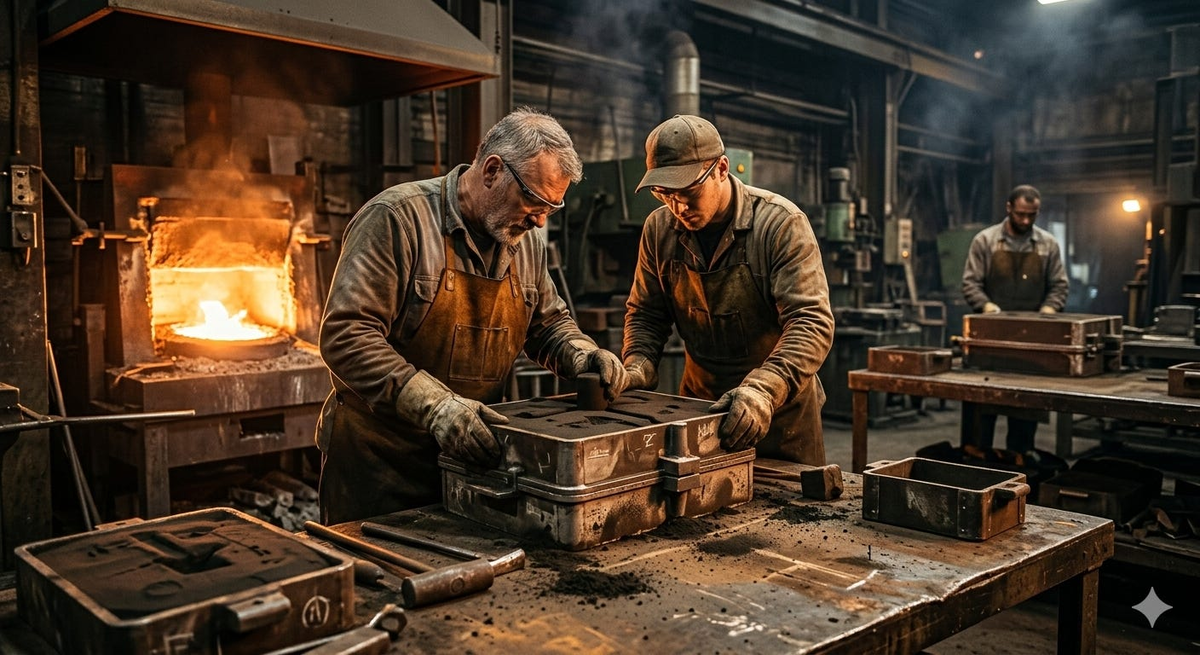
The pipeline shapes how code gets to production. Teamwork shapes how code gets written in the first place.
A team that does pair programming produces different software than a team that does async code review. Not because pairing is magic, but because the feedback loop is fundamentally different. In pairing, questions get answered in seconds. Misunderstandings get caught in real time. Knowledge spreads continuously. The metal flows into a form with clean edges and tight tolerances.
In async review, a developer works alone for five days, submits a pull request, and waits. Hours later, someone starts reviewing. They have questions, but the original developer has context-switched to something else. Comments go back and forth over days. A ten-minute conversation becomes a week of ping-pong. The metal is cooling while you’re still arguing about the shape of the cast.
Organizational Structure Is the Outermost Mold
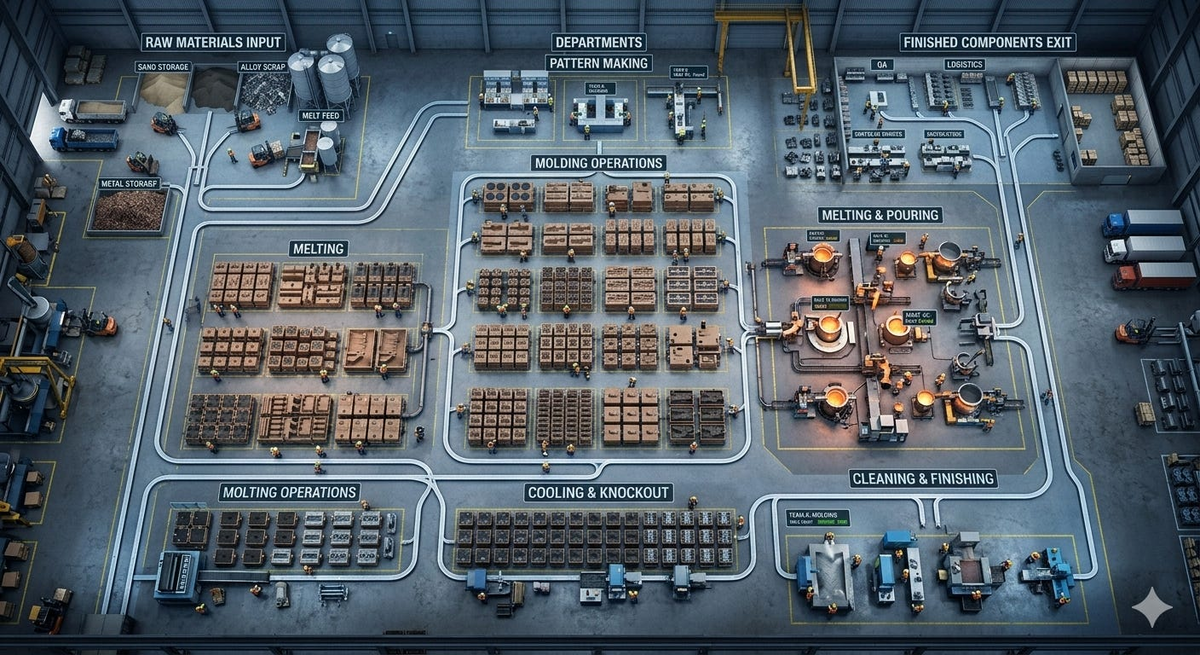
Beyond the pipeline and the team sits the organizational structure. This is the hardest mold to change and the one with the most pervasive effect.
Conway’s Law is not a suggestion. The structure of your organization will determine the architecture of your software, whether you plan for it or not. An organization with teams aligned to business capabilities produces software with clean domain boundaries. An organization built around technical layers (UI team, API team, database team) produces software with tight coupling between layers and artificial boundaries between features. The org chart is a mold, and the software will take its shape.
When the person who writes the code is not the person who gets paged at 2:00 AM, you get code written by people who will never feel the consequences of their quality decisions. When product and engineering report through separate hierarchies with separate incentive structures, you get features that technically meet the spec but miss the actual problem. When testing is a separate department that receives code after development is “done,” you get an inspection-based quality process that catches defects instead of preventing them.
These are not people problems. They are problems with the form. The organizational structure is shaping the software by shaping the incentives, the feedback loops, and the information flow. No amount of “culture change” speeches will overcome a structure that rewards the wrong behavior.
Change the Mold, Not the Metal
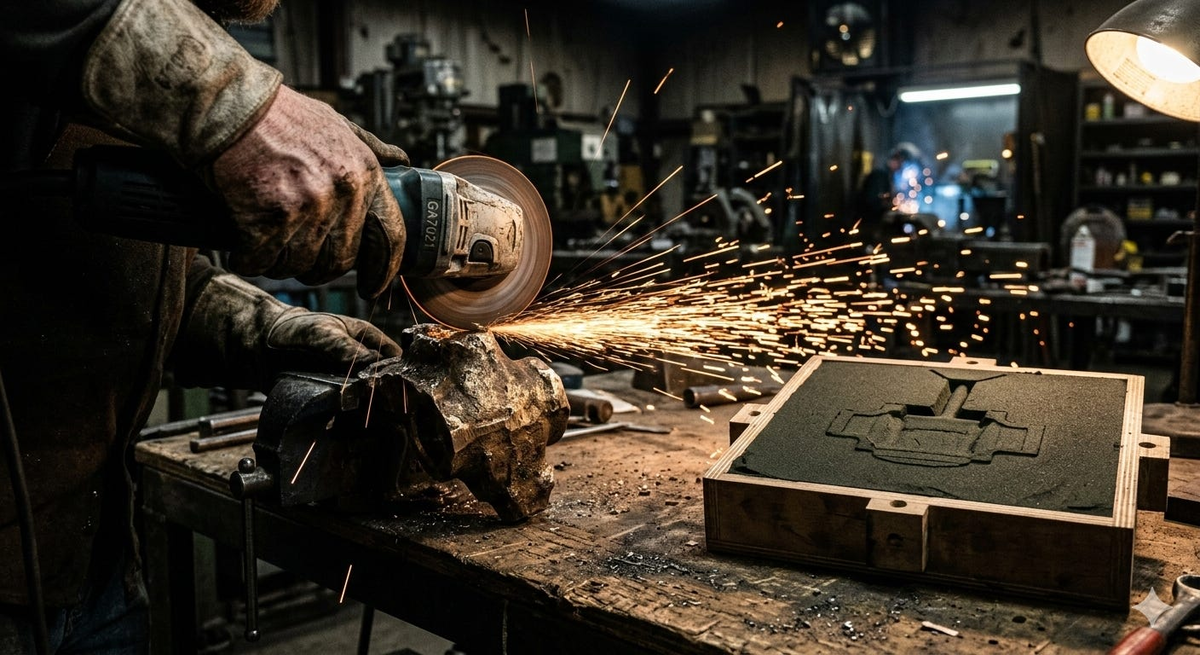
Here’s why the casting metaphor matters. When you have a misshapen piece of metal, the instinct is to work on the metal. Grind it down. Reshape it. Apply more force. In software, this looks like code reviews, refactoring sprints, architecture review boards, and quality gates. All of it is grinding the metal after it has already hardened.
The question to ask is not “how do we fix this code?” but “what mold produced this shape?”
If the code has poor test coverage, look at the pipeline. Does it require tests? Does it give fast feedback when tests fail? If the code has inconsistent architecture, look at the team structure. Is one team responsible for the domain, or are multiple teams contributing to the same codebase? If the code is brittle in production, look at the organizational structure. Does the team that builds it also operate it?
The mold is easier to change than the metal. A pipeline change takes effect on the next commit. A team working agreement can change in a day. Organizational structure is harder, but even there, changes to reporting lines and incentives reshape behavior faster than any number of “best practices” documents.
Start with the pipeline. It is the closest mold to the metal, the easiest to control, and the one with the most immediate impact. Then fix the teamwork. Then fix the organizational structure. In that order, because each outer mold is harder to change and takes longer to show results.
You are not in the business of shaping metal by hand. You are in the business of building better molds. The metal will take whatever shape you give it.